Aviation Switching Module – NSN 4920-01-250-2696 (AS-IS / Untested): Specialized Aircraft Test and Control Hardware
Aviation Switching Module – NSN 4920-01-250-2696 (AS-IS / Untested): Specialized Aircraft Test and Control Hardware
Blog Article
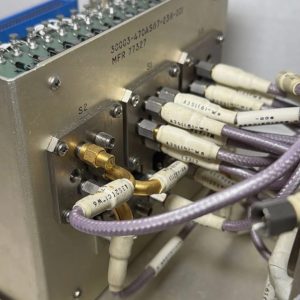
The Aviation Switching Module – NSN 4920-01-250-2696 (AS-IS / Untested) should be purchased with the understanding that no operational, calibration, serviceability, compatibility, or installation guarantee is being made.
The Aircraft Switching Module can form part of a specialized aviation system, while the Aerospace Switching Module requires identification through labels, technical documentation, connector configuration, and application records.
The Aircraft Electrical Switching Module may route selected circuits, while the Aviation Electrical Control Module, Aircraft Power Switching Module, Aerospace Electrical Control Unit, and Aircraft Signal Switching Module terms should not be interpreted as confirmed functions without documentation.
An Aircraft Switching Unit can support specialized signal or circuit management, but an Aerospace Power Distribution Module or Aviation Power Control Module may use different internal architecture and electrical requirements.
Understanding NSN 4920-01-250-2696
The seller should provide clear photographs of every label, marking, connector, switch, control, mounting point, enclosure surface, and included accessory.
Military or aviation-surplus components may carry replacement numbers, superseded numbers, modification markings, or contract identifiers that assist research.
Understanding AS-IS and Untested Condition
AS-IS and untested means the module is offered without confirmation that it powers on, switches circuits, communicates with associated equipment, meets specifications, or performs its original function.
Improper voltage, polarity, grounding, current, signal input, or connector pin assignment can damage the module and connected equipment.
Evaluating Aircraft Switching Functions
The actual role depends on more info internal circuitry, switch configuration, connector pinout, associated system design, and technical documentation.
A detailed visual inventory supports informed evaluation of the Aircraft Switching Module.
Inspecting Aerospace Electrical Hardware
The module may have been designed for vibration, transportation, storage, maintenance, or aerospace operating environments, but present performance should not be assumed.
Proper connector protection preserves the Aerospace Switching Module for future testing or restoration.
Electrical Switching Module Condition
An Aircraft Electrical Switching Module should be inspected for overheated areas, burned insulation, damaged terminals, loose hardware, corrosion, moisture entry, broken controls, and signs of previous disassembly.
Loose wires, nonstandard components, replaced relays, cut conductors, or evidence of field repair should be recorded.
Aircraft Electrical Control Applications
The module may interact with relays, switches, indicators, sensors, power sources, test connections, or other control equipment.
High-resolution photographs can preserve readable details before cleaning or restoration.
Choosing an Aircraft Power Switching Module
A switch that moves normally may still contain burned, corroded, welded, or high-resistance electrical contacts.
Accurate reporting protects buyers seeking an Aircraft Power Switching Module for repair, parts, or research.
Electrical Control Unit Restoration
Visual inspection, continuity checks, insulation review, component identification, and controlled testing may form part of a professional evaluation.
A common-looking relay, switch, resistor, connector, or wire may not be an acceptable substitute.
Aviation Signal Routing Equipment
An incorrect connection may damage sensitive electronics even when the module itself receives little power.
The module should not be modified with unshielded wiring or improvised connectors solely for convenience.
Professional Aviation Module Evaluation
Clear intended use helps establish realistic expectations for an AS-IS Aviation Control Module.
Compatibility should be verified through NSN, part number, manufacturer, connector layout, revision level, modification status, and equipment application.
Commercial Value of an Untested Switching Unit
Its value depends on identity, completeness, cosmetic condition, connector integrity, internal status, rarity, and availability of documentation.
Removable demonstration leads or external training fixtures may preserve originality better than permanent alteration.
Aircraft Electrical Distribution Hardware
Professional evaluation helps determine whether the unit serves a power-distribution role or another specialized function.
Additional mounting holes should not be drilled until the component application is established.
Aircraft Module Functional Evaluation
The inspection should distinguish cosmetic wear from damage that may affect electrical operation or mounting.
Continuity measurements, insulation checks, contact-resistance testing, and component examination may be appropriate when performed by qualified personnel.
Untested Aviation Power Equipment
The NSN’s federal supply classification may provide useful context, but the exact role should still be researched through item-specific records.
Safe handling is important even when the Aviation Power Control Module is sold strictly AS-IS.
Electronic Switching Module Applications
Without those references, operational claims should remain limited.
Professional analysis supports responsible Aircraft Electronic Switching System maintenance.
Protecting an Aerospace Switching Unit
Connector caps should remain fitted, and the module should be supported without placing pressure on switches, knobs, cables, or mounting brackets.
Original packaging should receive additional protection rather than being used as the only shipping container.
Aircraft Electrical Module Buying Considerations
Commercial evaluation should focus on total project suitability rather than the purchase price alone.
Unknown information should remain clearly identified as unknown.
Untested Aviation Equipment Condition Checklist
The buyer should request enough information for an aviation electronics technician, aerospace-equipment specialist, or experienced surplus buyer to evaluate the unit.
- Determine whether cables, plugs, manuals, test leads, mounting hardware, storage cases, or companion components are included.
- Check for burned odors, melted material, arcing marks, water entry, chemical residue, and internal loose components where visible.
- Report shipping damage, missing accessories, identification differences, undisclosed repairs, or altered condition promptly.
Evaluating an Untested Electrical Module
Testing should begin with identification research, visual inspection, connector mapping, safety review, and examination of available technical documentation.
Test results should identify which circuits or functions were checked and which remain unknown.
Documenting Aviation Electronics Restoration
Professional restoration can improve the usability and value of the Aerospace Switching Module.
Every repair should record the date, technician, fault found, parts replaced, measurements, testing performed, and remaining limitations.
Aviation Switching Module Conclusion
For the right purchaser, the unit can offer a useful foundation for technical research, controlled troubleshooting, component recovery, or legacy-equipment restoration.
Buyers should request detailed photographs, accurate AS-IS disclosures, technical research, secure transaction terms, protective shipping, and qualified evaluation where appropriate.
Whether customers search for an Aircraft Electronic Switching System, Aerospace Switching Unit, or Aircraft Electrical Module, broad terminology should not replace technical application research.
With transparent condition reporting, secure shipping, controlled testing, appropriate repair methods, and accurate records, the unit can support a professional aerospace project.
Report this page